
Certified chimney inspector
Chimney repair & inspections in Greater Victoria.
Leaking, crumbling or smoky? Spot the likely problem in a minute below, then have a certified chimney inspector take a proper look.
Or spot the problem yourself 
WETT CertifiedOur chimney masons
Certified Chimney InspectorHonest, thorough assessments
$10M
Liability insurancePeace of mind on every roof

MemberMasonry Institute of BC
Spot the problem
What’s your chimney telling you?
Tap a number on the chimney, or pick a symptom from the list, to see what it usually means, how urgent it is and how we fix it.
Outside (look from the ground)
Inside the house
Book soon
- What you’ll see
- A missing, rusted or bent cap, torn screens, or nothing covering the flue at all. Sometimes nesting material, leaves or birds.
- What it usually means
- Rain falls straight down the flue, and animals and debris can get in and block it. Water inside the flue speeds up wear on the liner and damper.
- How we fix it
- We fit a new cap or screened flue covers sized to your flue, and check the crown and liner while we’re up there.
Book soon
- What you’ll see
- Cracks, missing chunks or moss on the concrete slab at the very top of the chimney, often with staining running down the brick below.
- What it usually means
- The crown is the chimney’s roof. Once it cracks, water soaks into the brick and mortar below, and every wet winter makes it worse.
- How we fix it
- We remove the failed crown and form a new one with an overhang and drip edge, so water falls clear of the brick.
Stop using the fireplace and call
- What you’ll see
- Hard to see from the ground. Watch for pieces of clay tile landing in the firebox, a cracked flue tile at the top, or a chimney that has never had a liner.
- What it usually means
- The liner keeps heat, sparks and smoke inside the flue. A cracked or missing liner can let heat and gases reach the house framing.
- How we fix it
- An inspection first. Then we’ll recommend the right repair, from replacing damaged flue tiles to relining the flue.
Don’t light a fire until the flue has been inspected.
Book soon
- What you’ll see
- Brick faces popping off, flaking or crumbling, often with bits of brick on the roof or in the gutters.
- What it usually means
- Water has soaked into the brick, and wet-dry and freeze-thaw cycles are breaking the hard face off. Once that face is gone, the brick wears away quickly.
- How we fix it
- A few bad bricks can be cut out and replaced. If spalling is widespread above the roofline, we rebuild from the roofline up.
Book soon
- What you’ll see
- Sandy, recessed or missing mortar between the bricks. You may see gaps or holes in the joints.
- What it usually means
- Mortar is the first line of defence. When the joints fail, water gets into the chimney and bricks start to loosen.
- How we fix it
- We repoint: grind out the failing mortar and pack in fresh mortar suited to your brick. If bricks are loose, a partial or full rebuild may be the safer fix.
Keep an eye on it
- What you’ll see
- White, powdery or crusty patches on the brick, often just below the crown or above the flashing.
- What it usually means
- Salts carried out of the masonry by water. It isn’t damage on its own, but it tells you water is moving through the chimney.
- How we fix it
- We find where the water is getting in (crown, cap, joints or flashing), fix that first, then clean the brick.
Book a look if it keeps coming back, or if you see flaking brick with it.
Book soon
- What you’ll see
- Rusty, lifted or bent metal where the chimney meets the roof, visible gaps, or lots of caulking or tar smeared over the joint.
- What it usually means
- One of the most common places for a chimney leak to start. Water gets behind the flashing and into the attic, ceiling or walls.
- How we fix it
- We reflash with step and counter flashing let into the mortar joints, plus a cricket behind the chimney where it’s wide enough to need one.
Stop using the fireplace and call
- What you’ll see
- The chimney tilts, or there’s a growing gap between the chimney and the house or roof.
- What it usually means
- A structural problem: badly failed mortar, long-term water damage or movement at the base. A leaning chimney can come down.
- How we fix it
- We assess how far down the damage goes. Often that means taking the chimney down and rebuilding it on sound masonry, from the roofline or lower.
Keep people and pets away from the area below it.
Book soon
- What you’ll see
- Damp, darkened or stained framing or insulation around the chimney where it passes through the attic, or a musty smell up there.
- What it usually means
- Moisture has got past the flashing and is running down the chimney with gravity. It soaks into the porous materials around it, like the framing and insulation, which can lead to rot or mould.
- How we fix it
- We stop the water where it starts, above the roofline, with new flashing or the chimney repairs it needs.
Book soon
- What you’ll see
- Drips or puddles in the firebox, a damp or musty smell, or a damper that’s rusty, stiff or stuck.
- What it usually means
- Water is getting in from the top (missing cap, cracked crown or liner) or soaking through the masonry.
- How we fix it
- We trace the source, then fit a cap, build a new crown or repair the masonry as needed.
Book soon
- What you’ll see
- Brown or yellow stains, bubbling paint or damp patches right next to the chimney, usually worse after heavy rain.
- What it usually means
- Often the flashing, but water can also soak in through the brick, mortar or crown. Left alone, it can rot framing and drywall.
- How we fix it
- Leak troubleshooting first. Then we repair what’s actually failing: new flashing, repointing or a new crown.
Stop using the fireplace and call
- What you’ll see
- Smoke rolling back into the room, soot on the wall above the fireplace, or a strong campfire smell in the house.
- What it usually means
- The chimney isn’t drawing properly. Causes include a blockage (nests, debris or creosote), a damaged cap or liner, a draft problem, or a damp chimney. Fireplaces are rarely a home’s main heat source any more, so many chimneys never get warm enough to dry out, and a cold, wet chimney draws poorly. Smoke indoors can carry carbon monoxide.
- How we fix it
- Stop using the fireplace. We’ll inspect it, find the cause and tell you plainly what’s needed. If the chimney is damp, we find and stop where the water is getting in, whether that’s the crown, cap, brick, mortar or flashing.
If a CO alarm sounds or anyone feels unwell, get everyone outside and call 9-1-1.
Book soon
- What you’ll see
- Cracked, loose or missing firebricks, or wide open joints at the back and sides of the firebox.
- What it usually means
- The firebox takes the most heat. Gaps let that heat reach the masonry and framing behind it.
- How we fix it
- We replace damaged firebricks and repoint with refractory mortar made for high heat.
If you can see gaps right through, don’t light a fire until it’s repaired.
Safety first
Please don’t climb onto the roof. Look from the ground, from a window or with binoculars (a phone zoom works too). If smoke is coming into the house or a carbon monoxide alarm goes off, stop using the fireplace, get everyone outside and call 9-1-1. Every home with a fireplace or wood stove should have working CO alarms.
Quick self-check
Six questions, one honest answer.
Answer what you can. Your result updates as you go, and nothing is sent anywhere.
- Do you see water, drips or stains near the chimney (ceiling, walls, attic or the firebox)?
- Is there white powder or white staining on the bricks?
- Is mortar crumbling or missing, or are brick faces flaking off?
- Do you smell smoke or soot indoors, or does smoke come back into the room?
- Does the chimney lean, or is it pulling away from the house?
- Has it been more than a year since the last inspection, or you’re not sure?
0 of 6 answered
Your result
Answer a question to see your result.
We’ll list the issues that most likely apply, how urgent they are, and the best next step.
A guide only, not a diagnosis. Chimneys can hide problems you can’t see from the ground.
What we do
Chimney work, done properly.
We troubleshoot, repoint and rebuild chimneys, and we’ll tell you plainly what yours actually needs.
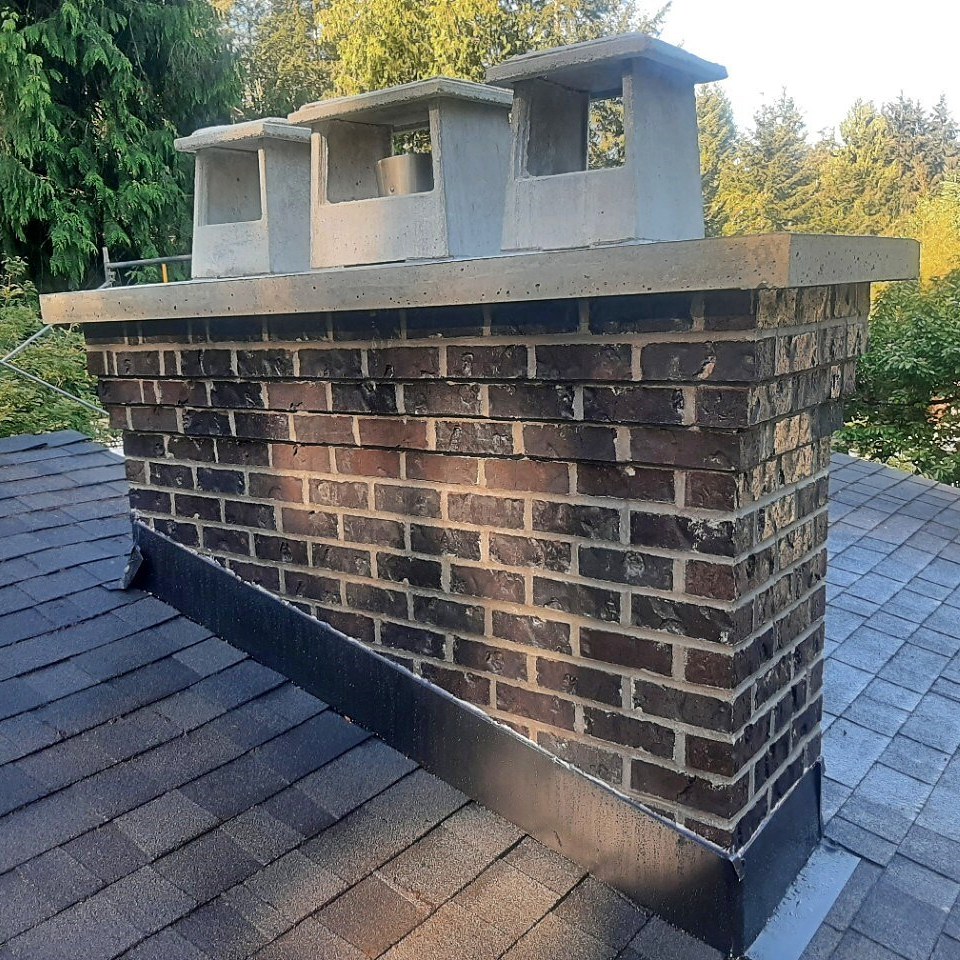
Certified chimney inspector
Chimney inspections
When was the last time anyone looked? We check the chimney from cap to firebox (crown, brick, mortar, flashing, flue and firebox) and tell you plainly what’s fine, what to watch and what needs fixing.
Book an inspection Repointing
When mortar joints start to deteriorate, water gets in. We grind out the failing mortar and repoint with a mix suited to your brick, so the chimney sheds water again.
Rebuilds from the roofline up
When mortar has been reduced to sand, bricks are spalling, loose or the stack is leaning, patching won’t hold. We take it down to sound masonry and rebuild it properly, in a brick colour you choose.
Crowns & caps
A cracked crown or missing cap lets rain straight into the masonry and flue. We build new crowns that shed water clear of the brick, and fit caps and screened flue covers.
Flashing
Many chimney leaks start where the chimney meets the roof. We replace rusted, lifted or caulk-patched flashing with properly lapped step and counter flashing.
Leak troubleshooting
Water stains beside the chimney? We trace where the water is actually getting in (flashing, crown, cap or brick) before recommending a fix, so you only pay to fix what’s broken.
Fireplace & firebox repairs
Cracked or crumbling firebox bricks and open joints, repaired with firebrick and refractory mortar made for the heat. Plus stone and brick surrounds you’ll love.
A real Orca project
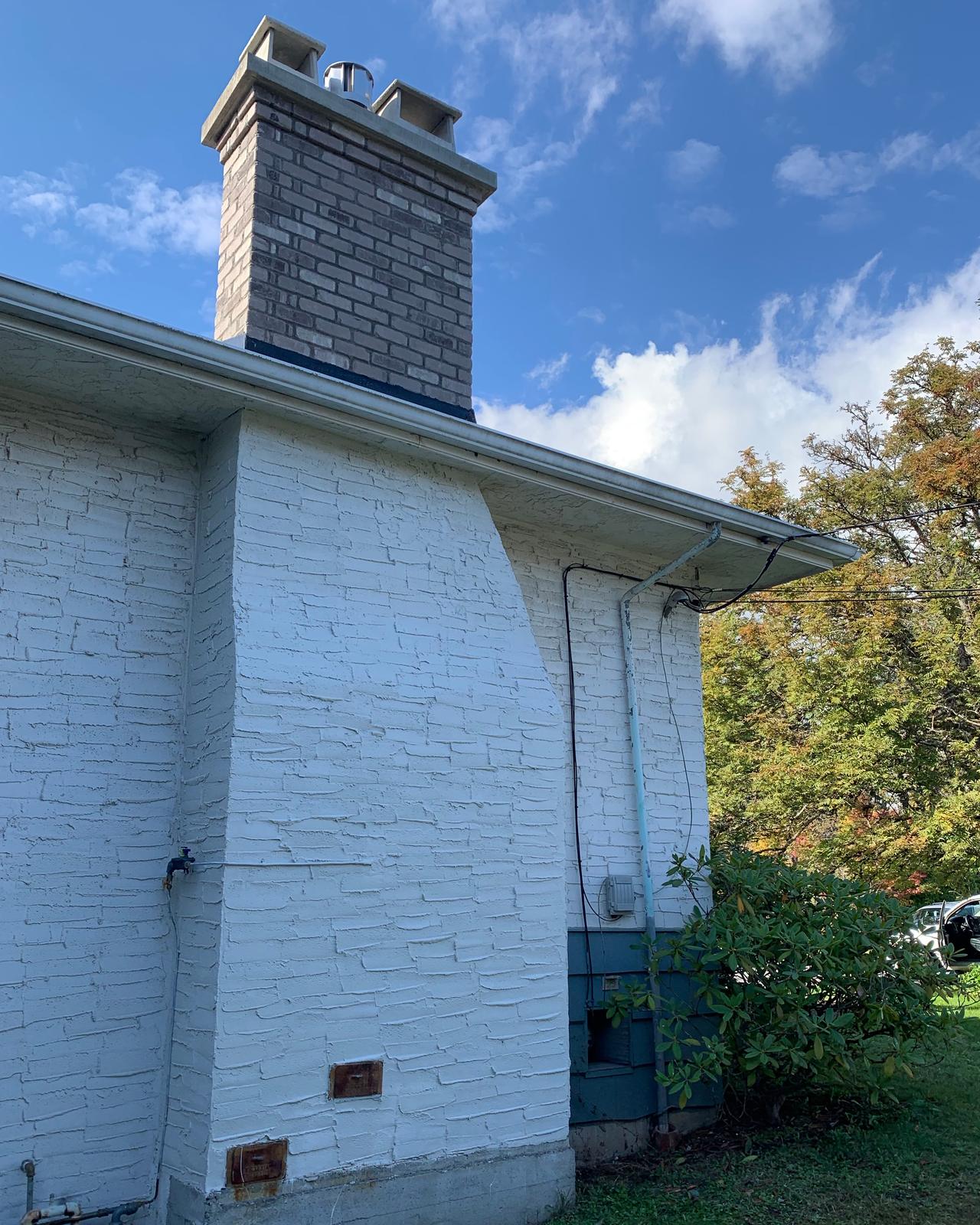
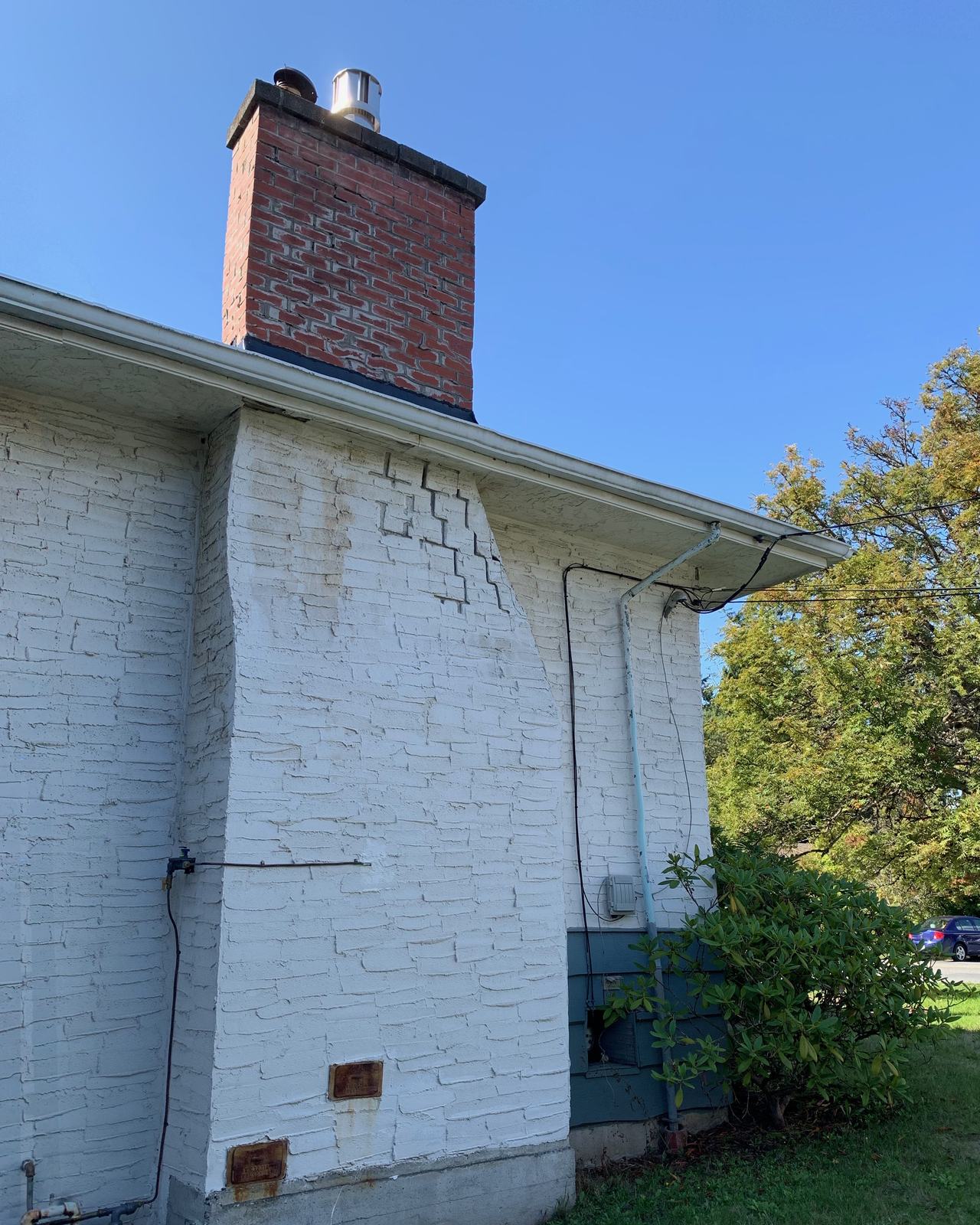
Before & after: chimney rebuild.
Same house, same angle. Drag the slider to compare.
On the left, the old red brick chimney above the roofline. On the right, the new chimney Orca Masonry built in its place.
Ask about a chimney rebuild Our chimney work
Real chimneys, built to last.
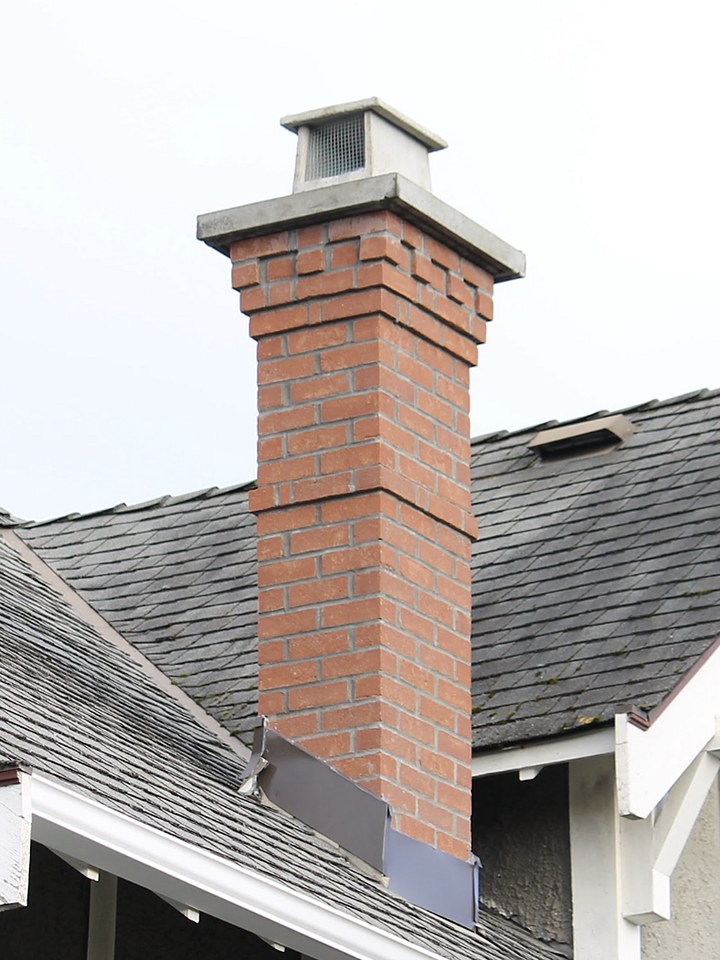
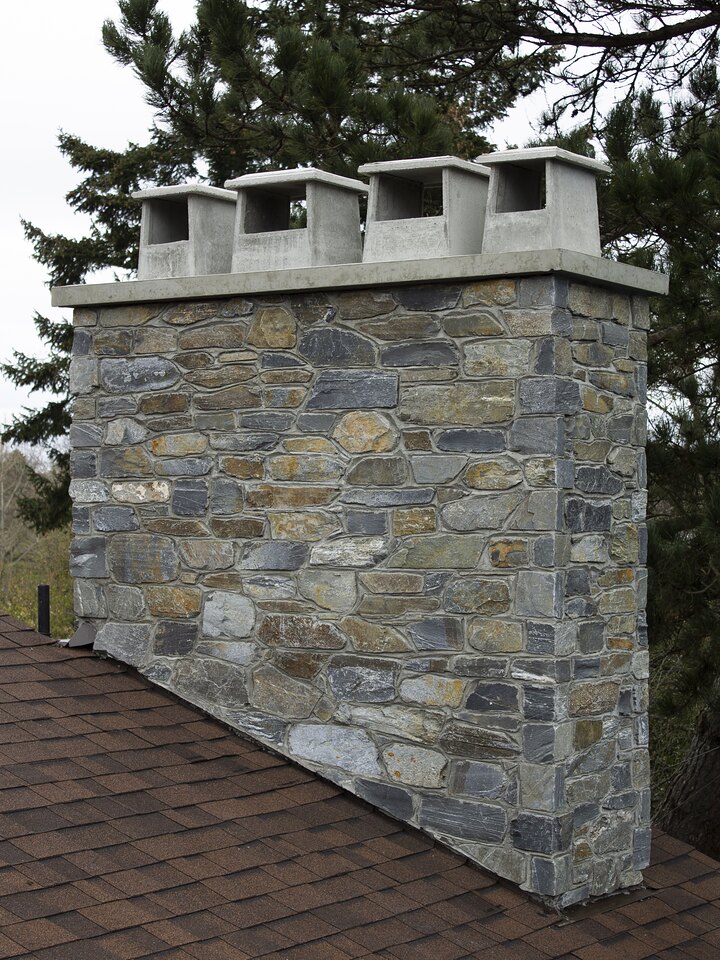
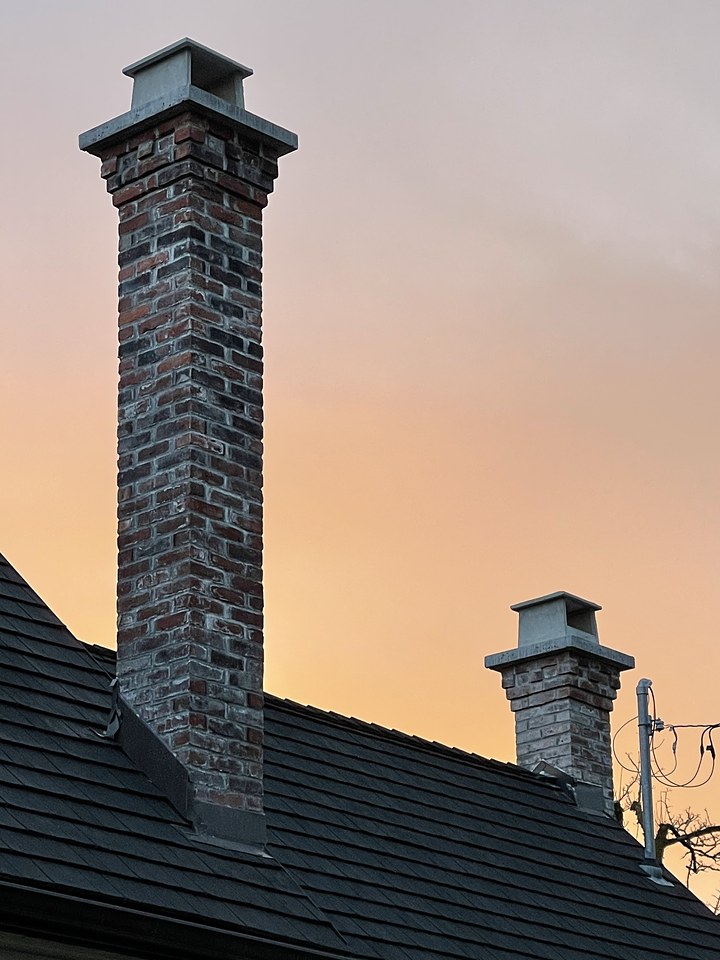
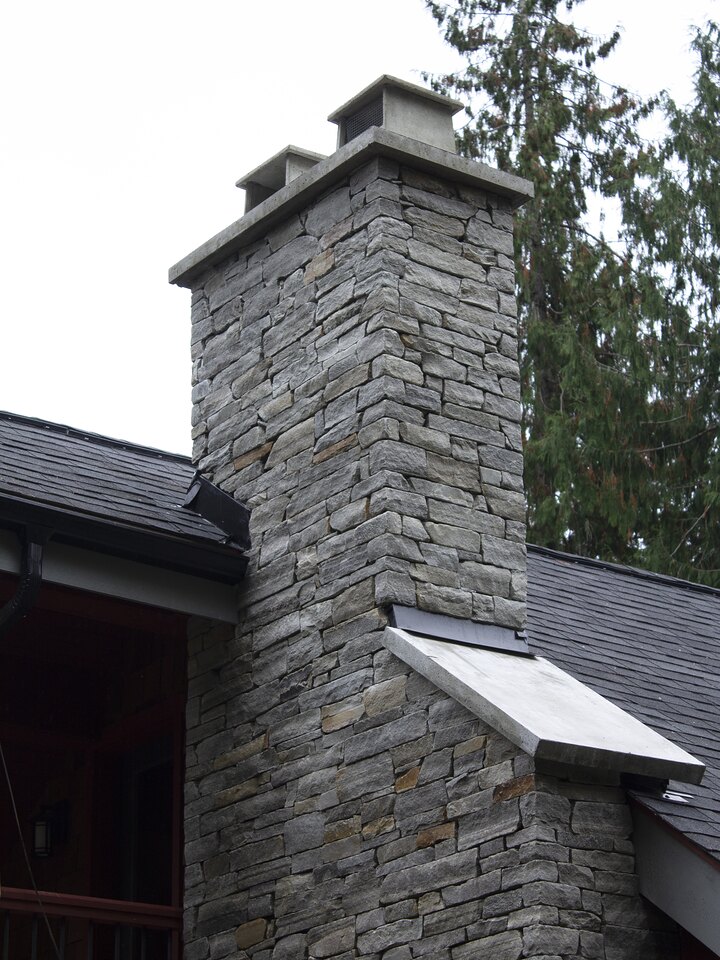
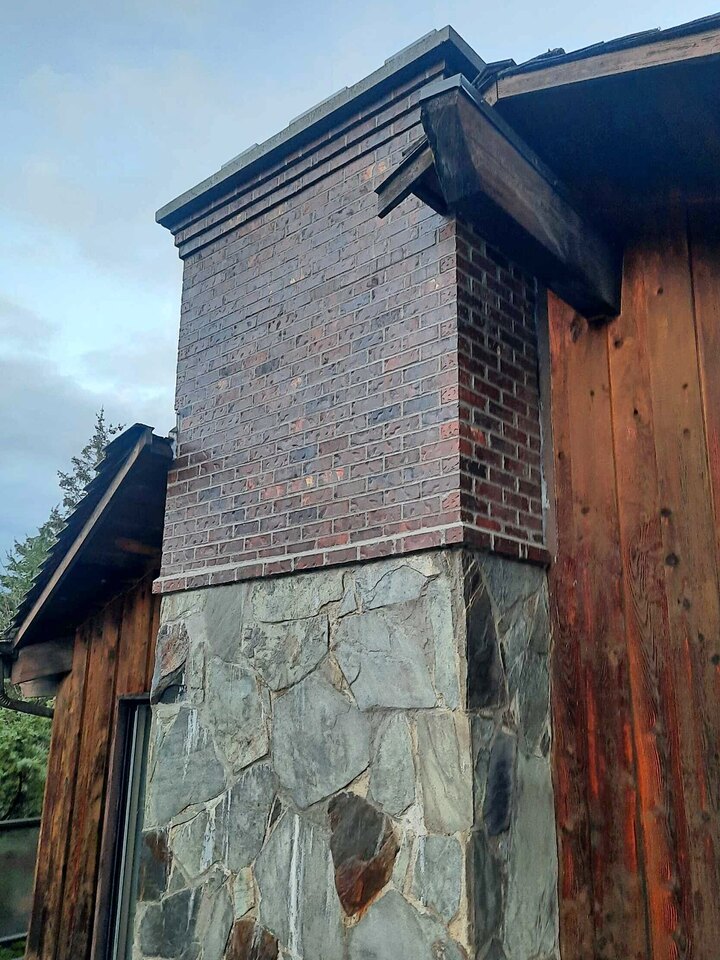
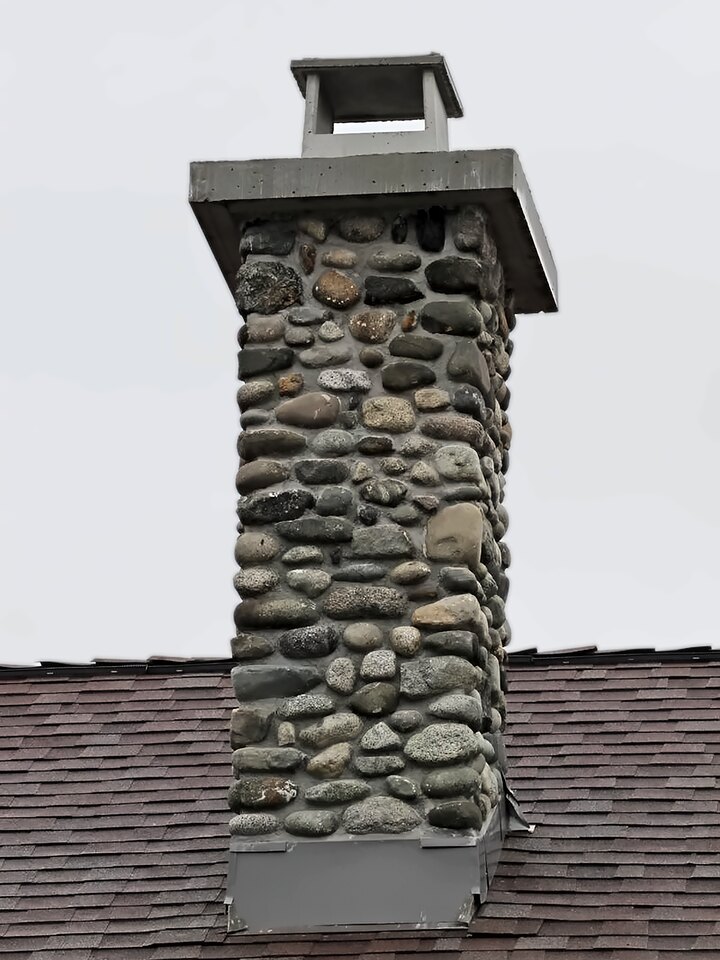
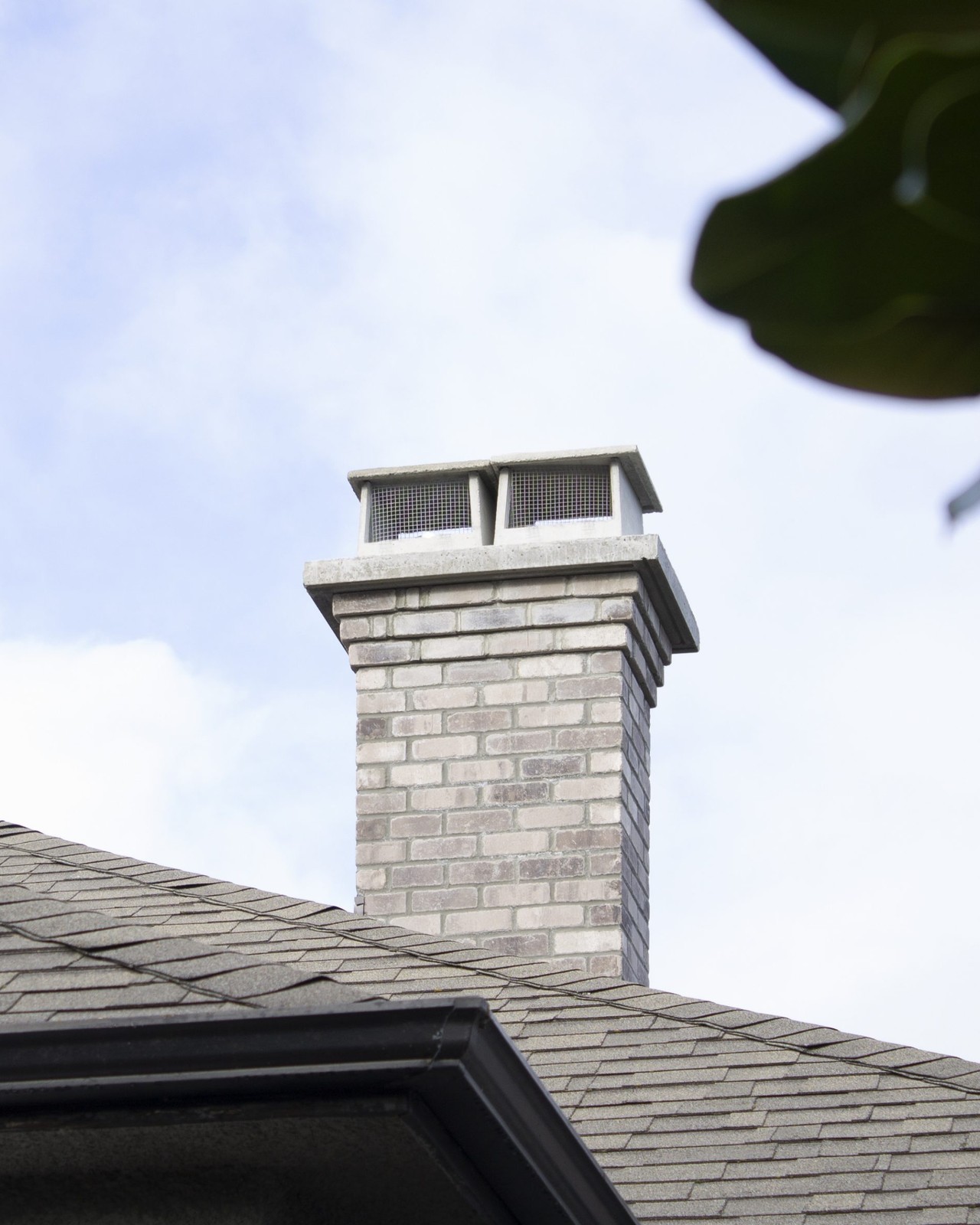
We haven’t photographed a chimney in this colour yet. Ask us to see samples.
Brick colour options
Rebuilding? Pick your brick.
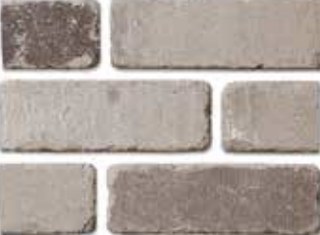
These are brick colours we’ve built chimneys with. Tap a swatch to see a real Orca chimney in that colour, then add it to your quote request.
Our brick colours
Colours on screen and in photos vary with light; we’ll bring real samples. Colour names belong to their manufacturers.
Mortar colour (light grey, buff or charcoal) can be picked in the quote form.
In their words
"After procrastinating for a couple of years, my husband and I finally decided to call someone to come out to inspect our chimney. Orca Masonry was recommended to us by a friend, Cory, the owner, is honest, polite, helpful and knowledgeable to name but a few. Our chimney was so badly deteriorated it needed to be rebuilt from the roofline up. The work completed by Orca Masonry is top-notch and their communication throughout the project was excellent. We'd recommend Cory and his team to anyone!"
Jackie & Rick LerikChimney rebuild
Book your inspection Chimney questions
Straight answers.
Fire-safety guidance (including the NFPA 211 standard) recommends an inspection once a year, ideally before you start burning in the fall. It’s also worth a check after a chimney fire, a big storm or an earthquake, when you buy a home, or any time you notice one of the signs above.
It depends on what’s failing. If the bricks are sound and only the mortar joints are softening, repointing is usually the right fix. If bricks are spalling badly, loose, mortar is falling from the joints, or the chimney is leaning, a rebuild from the roofline up is often the only repair that lasts.
Plenty of “chimney leaks” actually come from the flashing, crown or cap, not the brick. We’ll find the real source and tell you honestly which option makes sense.
The crown is the concrete slab that caps the top of the brick, around the flue. Its job is to shed water away from the chimney. Crowns crack from age, years of rain and temperature swings, and from being built too thin or without an overhang. Small cracks let water into the masonry below, so a cracked crown is worth dealing with early.
Yes. We’re based on Glenshire Drive in Victoria and work on homes across Greater Victoria. Not sure if you’re in our area? Give us a call at 250·217·2020.
If smoke comes back into the room, the chimney leans, the flue liner may be damaged, or you can see gaps in the firebox, stop using it until it’s been inspected. For anything else, use your judgement and book a look before burning season. Either way, keep working carbon monoxide alarms in the home.
Book a chimney inspection
Tell us what you’re seeing.
Send us a few details and we’ll get back to you to set up a visit. Photos help a lot: a couple of the chimney from the ground, plus any stains or damage inside.
Prefer to talk? Call us250·217·2020 - Email photos to info@orcamasonry.com
- Serving homes across Greater Victoria
- WETT certified chimney masons, Certified Chimney Inspector, WorkSafeBC